
“Outstanding leaders go out of their way to boost the self-esteem of their personnel. If people believe in themselves, it is amazing what they can accomplish .’
Sam Walton
Maslow’s Hierarchy of Needs [1943] places self-esteem in the second tier from the top viz self actualisation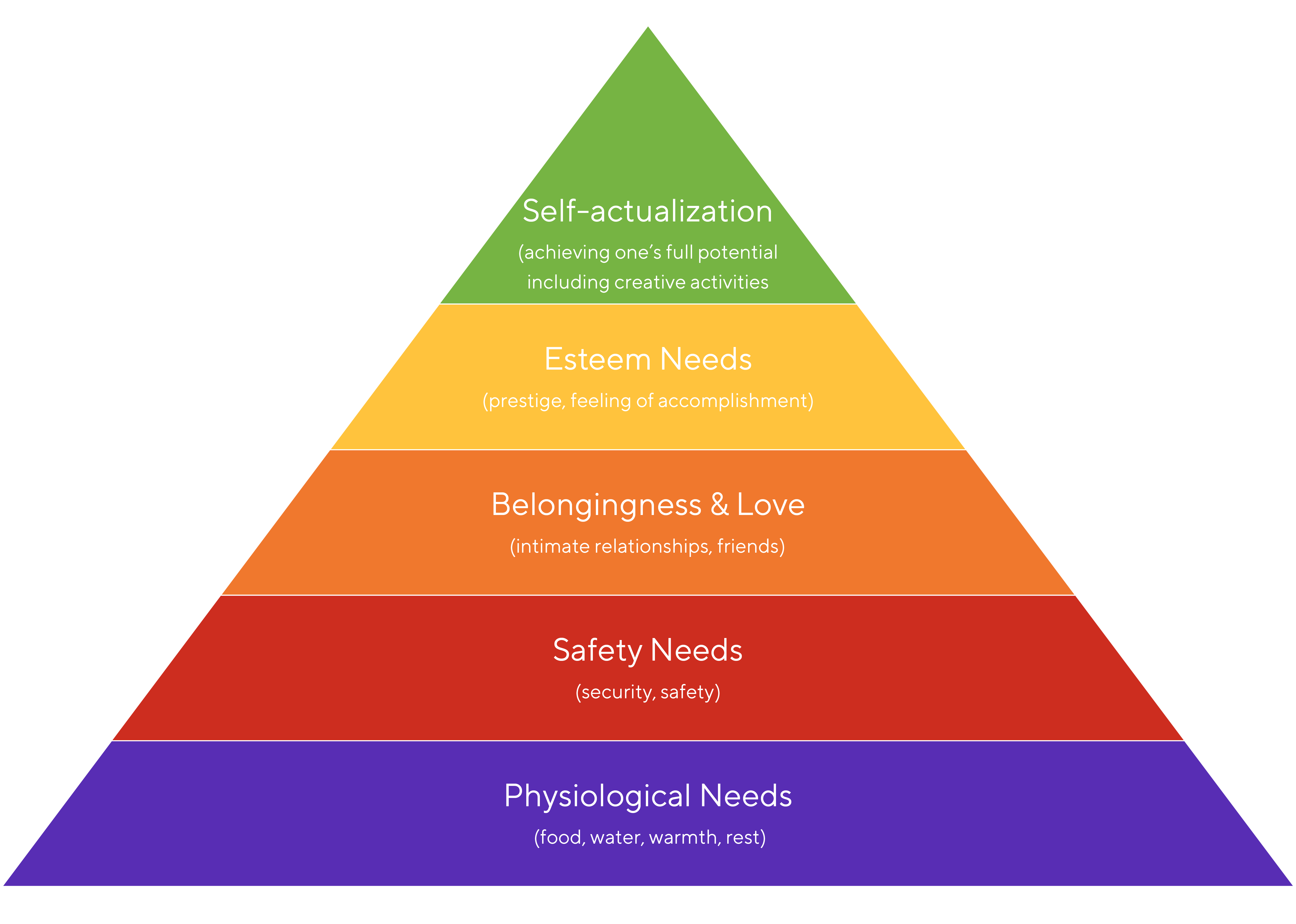
Leaders who make a conscious effort to nurture self-esteem among their staff witness several positive outcomes within their teams and organisations.
Leaders who consistently show appreciation and recognition foster stronger and more motivated teams. Here are practical ways to reinforce self-esteem within the workplace:
Legendary expert on leadership John C Maxwell says on self-esteem: “Self-esteem isn’t everything; it is the foundation for everything”. He emphasises that when you value yourself, you are more likely to achieve your potential and have a positive impact on others. Furthermore, he says that ones self esteem determines how one treats oneself, and ultimately how you treat others. He stresses that leaders with healthy self-esteem build confidence in their teams and create a positive ripple effect
Furthermore, he highlights the critical role of self-esteem in a leader’s journey. He asserts, “Self-esteem isn’t everything; it is the foundation for everything.” Maxwell’s perspective suggests that valuing oneself is essential not only for personal growth but also for reaching one’s full potential. When leaders have a healthy sense of self-worth, they are better positioned to make a meaningful and positive impact on those around them.
Maxwell believes that the level of self-esteem an individual possesses directly influences how they treat themselves, which in turn affects how they relate to others. This connection is particularly significant in a leadership context: leaders with robust self-esteem cultivate confidence within their teams. As a result, this confidence spreads throughout the organisation, creating a ripple effect that enhances morale, fosters collaboration, and drives collective success.
If your aim is to become a better leader, you cannot focus on rules and procedures only to get things done or to keep things going. You MUST develop relationships. Why? Because it is people who get the job done ultimately! Furthermore, people are the power behind any organisation, and they are its most valuable and appreciable asset! It takes time to develop the staff’s skills, but it takes no time at all to let others know that you value them, expressing appreciation for them and taking a genuine interest in them as a person.